

Views: 0 Author: Site Editor Publish Time: 2025-10-23 Origin: Site


Plantation shutters are a stylish and functional addition to any home. Over time, however, wear and tear can cause problems like sagging louvers or broken slats. These issues affect their appearance and functionality. In this guide, you'll learn how to fix common plantation shutter problems, ensuring they last for years.
Over time, the louvers (or slats) of plantation shutters may sag or lose their alignment. This can happen due to temperature fluctuations, frequent use, or simply as a result of aging materials. Sagging louvers not only affect the functionality of the shutters, making them harder to open, close, or adjust, but they also detract from the overall appearance of the room.
Signs of Sagging Louvers:
● Louvers that no longer stay open or closed and may shift positions on their own.
● Louvers that hang lower than the rest, making the shutter panel look uneven.
● Light entering the room through spaces between misaligned louvers, reducing privacy and energy efficiency.
Addressing this issue is important because sagging louvers can make your plantation shutters harder to operate, reducing their effectiveness and appeal.
Sign | Cause | Effect |
Louvers don’t stay open or closed | Loose tension screws | Affects functionality and aesthetics |
Louvers hang lower than the rest | Overuse, temperature fluctuations | Uneven appearance and light control |
Light enters through misaligned louvers | Misalignment | Reduced privacy and energy efficiency |
Slats in plantation shutters are typically made from wood, vinyl, or composite materials, and over time, they may crack, break, or become damaged due to physical stress or environmental factors. Whether it's from accidental bumps or natural wear and tear, broken slats can disrupt the functionality of the shutters and negatively impact the overall appearance of your window treatments.
Signs of Broken or Cracked Slats:
● Cracks or visible breaks in one or more slats.
● Slats that no longer stay in their proper position and are out of alignment.
● Aesthetic damage, such as chipped paint or noticeable imperfections in the slats.
When slats break, it's crucial to fix or replace them to ensure your plantation shutters continue to function properly and look great in your home.
If your plantation shutter panels are sticking or misaligned, it can cause problems when trying to open or close the shutters. Misalignment can occur over time, especially if the shutters are not installed correctly or if they have been subjected to excessive wear. Additionally, dirt and debris can build up in the tracks, leading to the shutters sticking and making it difficult to adjust them.
Signs of Sticking or Misaligned Panels:
● Difficulty opening or closing the shutter panels smoothly.
● Panels that don’t sit flush against the window frame or that shift out of place.
● Noises like squeaking or grinding when moving the panels, indicating a mechanical issue.
If not addressed, misaligned panels can prevent your plantation shutters from operating as intended and affect their ability to provide privacy and light control.
Most plantation shutters have tension adjustment screws that control the tightness of the louvers. Over time, these screws can become loose, causing the louvers to sag. Adjusting these screws can help restore the shutters' functionality and eliminate any sagging.
Step-by-Step Instructions:
1. Identify the tension screws on the inside edges of the louvers. These screws are often located near the top or bottom of the shutter panel.
2. Using a Phillips screwdriver, gently tighten each screw. Turn the screws clockwise to increase the tension and restore the louvers to their proper position.
3. After tightening, check the louvers to ensure they are aligned properly and that they move smoothly when adjusted.
The tilt rod controls the movement of the louvers. If the louvers aren’t tilting evenly, it could be due to misalignment of the tilt rod. Adjusting the tilt rod ensures that all the louvers open and close uniformly.
Step-by-Step Instructions:
1. Check the tilt rod to ensure it is straight and properly connected to the louvers.
2. If necessary, adjust the tilt rod to ensure it connects all louvers evenly. Make sure the rod is aligned with the center of the louvers to allow them to function properly.
3. Test the louvers by tilting the rod and verifying that all louvers open and close smoothly and evenly.
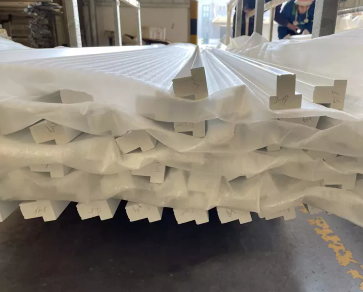
If your plantation shutters have small cracks or chips in the slats, sealing them with wood filler or putty is a simple and effective solution. While this won’t restore the slats to their original condition, it can prevent the cracks from worsening and keep the shutters functional.
Step-by-Step Instructions:
1. Clean the cracked area to remove any dust, dirt, or debris before applying filler.
2. Apply the wood filler or putty into the crack using a putty knife. Press the filler into the crack to ensure it fills the entire gap.
3. Allow the filler to dry completely, then use sandpaper to smooth the surface.
4. Once the filler has dried and the surface is smooth, repaint or restain the area to match the rest of the slat.
Step | Action | Tip |
Clean the cracked area | Remove dirt and debris | Ensure the crack is fully cleaned before applying filler |
Apply wood filler or putty | Use a putty knife to fill cracks | Don’t overfill; smooth out after drying |
Let the filler dry and sand | Sand the surface smooth | Sand gently to avoid damaging the slat |
Repaint or restain | Match the original color | Use the same paint or stain as the original |
Replacing a broken slat involves removing the damaged slat and installing a new one. It's important to use a replacement slat that matches the size, material, and style of the existing ones to ensure a consistent look and proper fit.
Step-by-Step Instructions:
1. Remove the broken slat by detaching it from the shutter panel. Depending on the design, you may need to remove dowels or pins holding the slat in place.
2. If the slat is held by dowels, carefully remove the dowels using a small screwdriver or pliers.
3. Insert the new slat into place and secure it by reattaching the dowels or pins.
4. Once the slat is installed, check for proper alignment and adjust the tilt rod if necessary.
Dowel pins are responsible for holding the slats in place and connecting them to the shutter frame. If a dowel pin breaks, the slat may become dislodged or fail to function properly. Replacing the broken dowel pin is a simple fix.
Step-by-Step Instructions:
1. Remove the damaged dowel pin using pliers or a utility knife.
2. Clean the hole where the dowel pin was located to ensure a secure fit for the new pin.
3. Insert a new dowel pin into the hole, ensuring it fits securely.
4. Test the slat to make sure it is properly aligned and can open and close smoothly.
Misaligned panels can affect the functionality and appearance of plantation shutters. Realigning the shutter panels ensures that they sit properly within the window frame and operate smoothly.
Step-by-Step Instructions:
1. Use a spirit level to check if the shutter panel is aligned correctly. Place the level against the frame to ensure it is straight.
2. If the panel is misaligned, loosen the screws holding the frame in place.
3. Adjust the panel to ensure it is straight, then tighten the screws to secure the panel in place.
Dirty or worn hinges can cause plantation shutter panels to stick or make it difficult to open or close them. Cleaning and lubricating the hinges can restore smooth operation and prevent sticking.
Step-by-Step Instructions:
1. Use a soft brush or vacuum to remove dirt and debris from the hinges.
2. Apply a small amount of lubricant, such as WD-40, to the hinges.
3. Open and close the shutters several times to ensure the hinges are working smoothly.
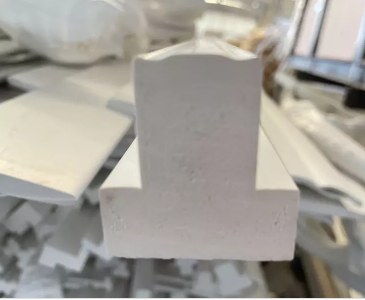
Maintaining your plantation shutters requires regular cleaning to keep them looking their best and functioning properly. Cleaning also prevents dirt and dust buildup, which can affect their performance.
Cleaning Tips:
● Use a feather duster or microfiber cloth to remove dust from the louvers and frames.
● For deeper cleaning, gently wipe the slats with a damp cloth, ensuring they are dried immediately to avoid water damage.
To ensure your plantation shutters last for years, incorporate preventative maintenance into your routine. This includes periodic adjustments to tension screws and ensuring the frames remain level.
Preventative Tips:
● Dust your shutters regularly to prevent dirt buildup.
● Check the tension screws every few months to keep the louvers functioning smoothly.
● Lubricate the hinges every 6 months to maintain easy operation.
Plantation shutters enhance both the beauty and functionality of a home. However, they can experience wear over time. By identifying issues like sagging louvers, broken slats, and misaligned panels, you can keep them in great condition. Regular cleaning and maintenance extend their lifespan. Minor repairs are often DIY-friendly, but complex issues may require professional help. For high-quality plantation shutters that offer durability and ease of use, Kinghands Sunshade Tech Co.,Ltd provides reliable solutions designed to meet your needs.
A: To fix sagging plantation shutters, locate the tension adjustment screws and tighten them using a Phillips screwdriver. Ensure the louvers are aligned properly for smooth operation.
A: If your plantation shutters aren’t staying open, check for loose tension screws or misaligned louvers. Tighten the screws and adjust the tilt rod for better control.
A: Yes, you can replace broken slats by removing the damaged slat and installing a new one. Make sure the new slat matches the material and size of the original.
A: Regularly dust plantation shutters with a microfiber cloth or feather duster. For deeper cleaning, use a damp cloth, but avoid excess moisture to prevent damage.
A: Plantation shutters are durable and can last for years with proper maintenance. Regular cleaning and timely repairs will ensure their longevity and functionality.
